
After-Meal Tea
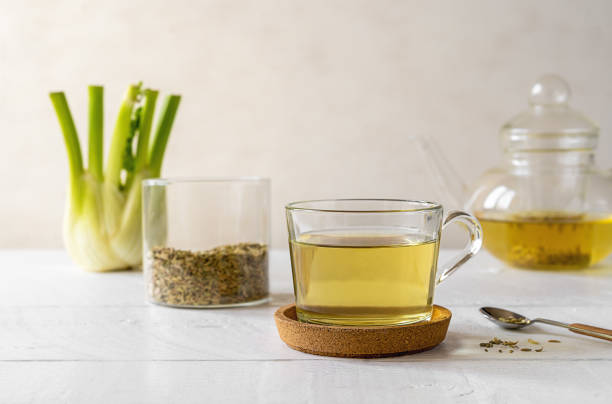
Fennel seed, peppermint, and dandelion root — a clean, aromatic infusion often enjoyed after lunch or dinner.
See RecipeWhy These Three Herbs Work Together
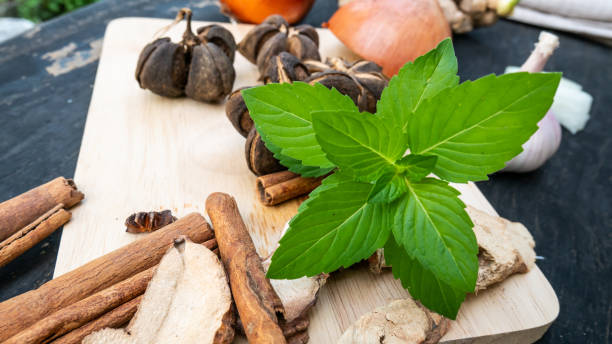
After-meal infusions appear in many culinary traditions. Fennel seed (Foeniculum vulgare) delivers anethole — the compound behind its mild liquorice sweetness and a popular kitchen pairing with tomato-based dishes. Peppermint (Mentha piperita) adds cooling menthol that many people find refreshing following a rich meal.
Dandelion root (Taraxacum officinale) contributes earthy depth and gentle bitterness that balances fennel's sweetness. Roasted dandelion root tastes almost coffee-like; we use unroasted here for a lighter profile suited to everyday home brewing.
This blend is intentionally caffeine-free so you can enjoy it after evening meals without affecting sleep. Wait twenty to thirty minutes after eating before sipping for comfort if you have a sensitive stomach.
Step-by-Step Brewing
Ingredients (2 servings)
- 1 tsp fennel seeds, lightly crushed
- 1½ tsp dried peppermint leaves
- ½ tsp dried dandelion root
- 500 ml water
- Crush fennel seeds in a mortar — one gentle turn is enough.
- Simmer dandelion root and fennel in water for 5 minutes.
- Remove from heat. Add peppermint.
- Steep covered 4 minutes. Strain and serve warm.
Chef's Tip
In Italian restaurants, fennel seed is often offered by the spoonful after seafood. This tea captures that tradition in liquid form. A single star anise pod added during simmering deepens the anise note — remove before serving.
Variations for Different Palates
Mild: Reduce dandelion root to a pinch and increase fennel to 1½ tsp. Suitable for newcomers to bitter herbs.
Robust: Add ¼ tsp dried ginger to the simmer. Pairs well after winter stews and hearty Sunday roasts.
Iced digestive: Brew double strength, cool, and serve over ice with a sprig of fresh mint. Popular at our June workshop — see events registration.
Dandelion root can be wild-foraged in the UK — dig in autumn when inulin content peaks. Wash thoroughly, chop, and dry slowly. Never harvest from lawns treated with herbicides.
When to Enjoy This Tea
- After pasta or pizza: Fennel's anethole complements tomato-based dishes without clashing.
- Following legume-heavy meals: Peppermint's cooling finish offsets earthy bean flavours.
- During holiday feasts: Brew a large pot and serve in small cups between courses as a palate reset.
- With cheese boards: The bitter dandelion note stands up to aged cheddar better than sweet chamomile would.
Responsible Brewing Information
Peppermint may not suit everyone — some people prefer spearmint or a smaller quantity. Dandelion and fennel are culinary herbs; if you take prescribed medication or have dietary restrictions, ask a qualified professional before regular use. This recipe is for home enjoyment as part of a balanced diet, not a substitute for professional guidance.
Events Calendar
| Date | Event | Link |
|---|---|---|
| 14 Sep 2026 | Autumn Roots & Seeds Decoction Day | Register |
FAQs — After-Meal Tea
Is roasted or raw dandelion root better?
Roasted tastes nuttier and coffee-like; raw is more bitter and earthy. This recipe uses raw root for a lighter after-meal cup.
Can I chew fennel seeds instead?
Yes — chewing a pinch after meals is a traditional practice in many cultures. The tea offers a gentler, more sustained aromatic experience.
Will peppermint tea relax me too much?
At culinary doses, peppermint is refreshing rather than sedating. For evening wind-down, switch to Tea for Calm.