
Tea for Calm
A soft floral blend for quiet evenings — chamomile, lemon balm, and a whisper of lavender.
See Full RecipeWhat This Blend Offers
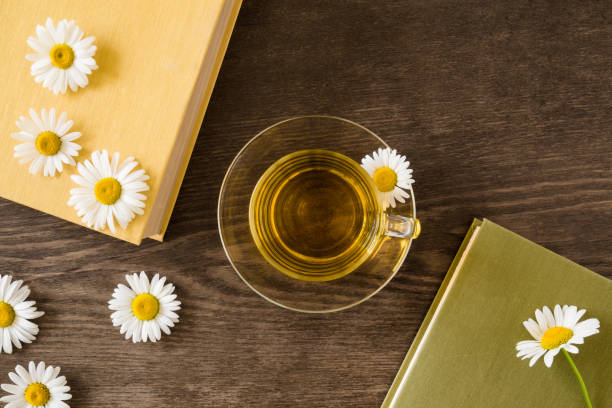
Our Tea for Calm centres on German chamomile (Matricaria chamomilla), valued for its soft, honey-like floral character. Many people in the UK enjoy chamomile as part of a quiet evening routine alongside dim lighting and screen breaks.
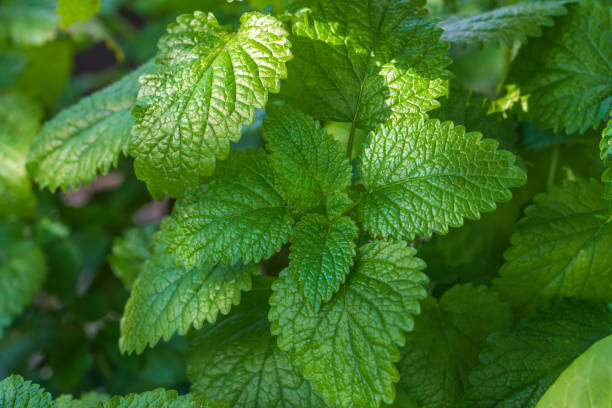
Lemon balm (Melissa officinalis) adds a gentle citrus lift that keeps the cup feeling light rather than heavy. Lavender (Lavandula angustifolia) appears in small quantities only — enough to contribute aroma without soapy bitterness.
This recipe yields two generous mugs or one small teapot serving. Scale ingredients proportionally for larger batches, but avoid steeping longer than recommended; extended contact with chamomile can introduce hay-like roughness that masks the honeyed mid-palate.
How to Brew Tea for Calm
Ingredients (2 servings)
- 2 tsp dried chamomile flowers
- 1½ tsp dried lemon balm leaves
- ¼ tsp dried lavender buds
- 500 ml filtered water
- Optional: 1 tsp honey after steeping
- Heat water to 90°C — boil the kettle, then wait 60 seconds.
- Warm your teapot with a splash of hot water; discard.
- Add all herbs to the pot and pour water over them.
- Cover and steep for 6 minutes. Do not exceed 8 minutes.
- Strain into cups. Sweeten only after tasting.
Ingredient Notes & Sourcing Tips
Chamomile quality varies widely. Whole flower heads with visible yellow centres indicate careful harvesting; dusty powder often means excessive processing and faster flavour loss. Organic certification is not mandatory, but reputable suppliers provide harvest dates and country of origin — useful when comparing batches.
Lemon balm loses potency quickly after crushing. Buy whole leaves and crumble them gently just before brewing. If you grow your own, harvest mid-morning after dew has dried but before the midday sun reduces essential oil content. Air-dry in thin layers away from direct light.
Lavender intended for culinary use differs from ornamental varieties. English lavender (Lavandula angustifolia) cultivars like 'Munstead' offer reliable flavour. If the dried buds smell strongly of camphor, reduce the quantity by half. A little goes a long way.
Variations & Serving Ideas
Iced Calm Spritz
Steep a double-strength batch for 5 minutes, strain over ice, and top with sparkling water. Add a thin orange slice for brightness. Best consumed the same day.
Bedtime Pot
Reduce lemon balm to 1 tsp and add ½ tsp dried oatstraw for a rounder, maltier finish. Serve in a small cup rather than a large mug to keep volume moderate before rest.
Shared Ritual
Brew in a glass teapot so guests can watch the flowers unfold. Pair with plain oat biscuits — strong flavours compete with delicate chamomile notes.
Explore related blends: Tea for Harmony shares floral elements with a sweeter profile, while Tea for Energy offers a brighter morning alternative.
Responsible Brewing Information
Chamomile belongs to the Asteraceae plant family — introduce it gradually if you are sensitive to related plants. Lemon balm and lavender are common kitchen herbs used in small culinary amounts. If you have questions about diet and prescribed medicines, ask a qualified UK professional. This page is for educational home-brewing only.
- Educational content only — not professional advice
- Stop using any herb if you notice an unexpected reaction
- Keep dried herbs out of reach of young children
FAQs — Tea for Calm
Can I drink this blend every night?
Many people enjoy chamomile regularly, but rotating herbs prevents palate fatigue and reduces the chance of developing sensitivities. Consider alternating with Tea for Harmony several nights per week.
Why does my chamomile taste bitter?
Bitterness usually indicates over-steeping, water that is too hot, or old stock. Reduce steep time to 5 minutes and refresh your chamomile if it is more than a year old.
Is fresh chamomile better than dried?
Fresh flowers offer a greener, grassier profile. Dried chamomile concentrates honey notes. Both work — use double the volume of fresh flowers compared to dried.